


Planning a visit to Delhi can feel confusing when you have so many famous places to choose from. The lotus temple stands out for its unique lotus-shaped design and peaceful atmosphere but you may still wonder what makes it special and how to plan your visit without missing key details.
This guide covers the Lotus Temple Delhi, from its architecture and background to practical visitor information. You’ll learn about temple history, where is temple situated, and what to expect inside. We’ll also touch on temple history in hindi and the common search term lotus tample to help you find the information you need.
Inspiration and design of Lotus Temple by Fariborz Sahba
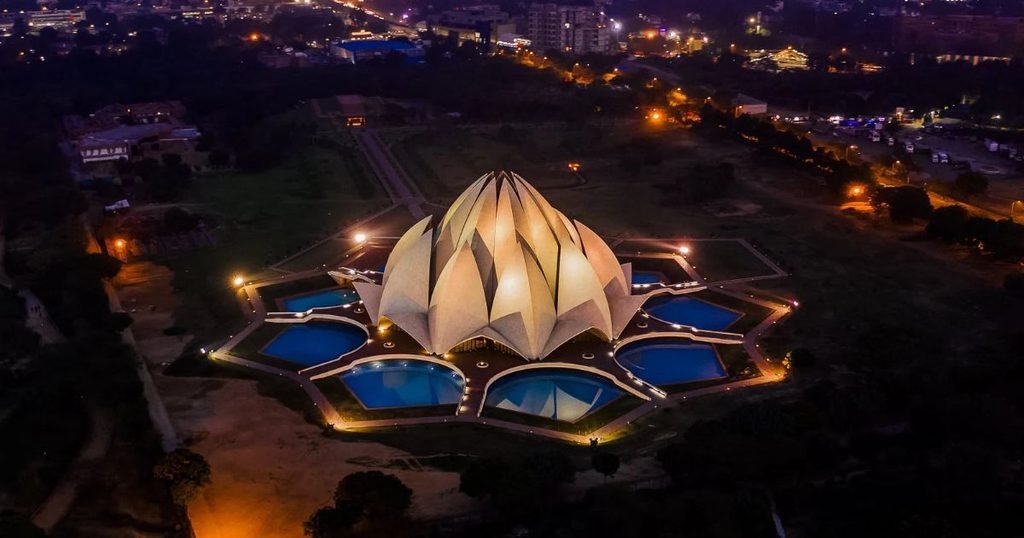
Some buildings catch your eye, but the Temple also invites you to slow down and enjoy the quiet. Its design combines natural inspiration with spiritual meaning, creating a landmark that feels welcoming to visitors from different backgrounds.
The Lotus Flower as the Main Inspiration
The lotus flower inspired the temple’s distinctive shape and overall appearance. Its petals rise gracefully around the central prayer hall, creating the impression of a flower opening toward the sky. This natural form also carries associations with purity and peace across several cultures. When you approach the building, notice how its curved petals create movement without making the structure feel heavy or overwhelming.
Fariborz Sahba’s Vision and Architectural Approach
Architect Fariborz Sahba developed the design around simplicity, harmony and universal welcome. Rather than following the appearance of a traditional religious building, he created a modern structure inspired by nature. His approach makes the temple recognizable even from a distance. If you’re taking photos during your visit, step back and observe the entire building first, because close-up views alone can hide the beauty of its overall shape.
The Meaning Behind the Nine-Sided Design
The temple’s nine-sided form reflects an important architectural principle in Bahá’í worship, where nine symbolizes completeness and unity. The building’s arrangement brings visitors toward one central prayer space rather than dividing them into separate worship areas. This design supports the Bahá’í belief in humanity’s oneness. Look at the building from different angles to appreciate how its symmetrical layout maintains a balanced appearance.
Marble Petals and the Beauty of Natural Materials
White marble gives the temple its clean, luminous appearance, while the curved surfaces create subtle changes in light throughout the day. The petals look delicate, yet their structure required careful engineering and planning. Many visitors focus only on the exterior’s whiteness and miss the details of its curves. Take a moment to notice how the overlapping forms create depth, especially when sunlight falls across the building.
A Peaceful Space Designed for Everyone
The temple’s design welcomes people from different religions and backgrounds without displaying religious idols inside its main prayer hall. Visitors can sit quietly, reflect or pray according to their own beliefs while respecting the peaceful atmosphere. Keep your voice low and silence your phone before entering. This small act helps preserve the calm environment and allows everyone to enjoy the space without unnecessary distractions.
The Temple shows how thoughtful architecture can connect nature, spirituality and modern design. Pay attention to its shape, materials and quiet interior to appreciate Fariborz Sahba’s vision fully.
Construction materials and techniques
The Lotus Temple architecture combines white marble, reinforced concrete and carefully engineered curved forms. These materials help create its distinctive lotus-shaped appearance while supporting the building’s strength and long-term durability.
The construction required detailed planning to turn Fariborz Sahba’s design into a practical structure. Its overlapping petals create a complex exterior that balances visual beauty with engineering demands.
The best choice may vary depending on your travel plan:
- White marble: The exterior’s white marble creates a bright, elegant finish. However, maintaining its clean appearance can require regular care.
- Reinforced concrete: This material supports the building’s structural framework and complex shapes. Its strength is useful, although curved concrete elements require careful engineering.
- Curved petal construction: Each petal follows the lotus-inspired design. Building these curved forms required precise measurements and skilled workmanship.
- Natural lighting: The structure uses openings and glazed sections to bring daylight into interior spaces. This reduces reliance on artificial lighting during suitable conditions.
- Water and landscape integration: The surrounding pools complement the building’s shape and enhance its visual setting. However, maintaining water features requires ongoing attention and resources.
Environmental considerations
The Temple reflects thoughtful environmental design through its use of natural light, surrounding pools and landscaped gardens. These features support the building’s calm atmosphere while connecting its architecture with nature. Its design also considers airflow and indoor comfort. However, maintaining gardens, water features and a large public building requires resources and ongoing care throughout the year.
For travelers, the gardens offer a pleasant place to pause before or after visiting the prayer hall. Delhi’s weather can become quite hot, especially during summer afternoons. Plan your visit during cooler hours when possible and carry drinking water for your journey. Please follow posted visitor rules and avoid littering to help protect this peaceful architectural landmark.
Historical context of the Lotus Temple
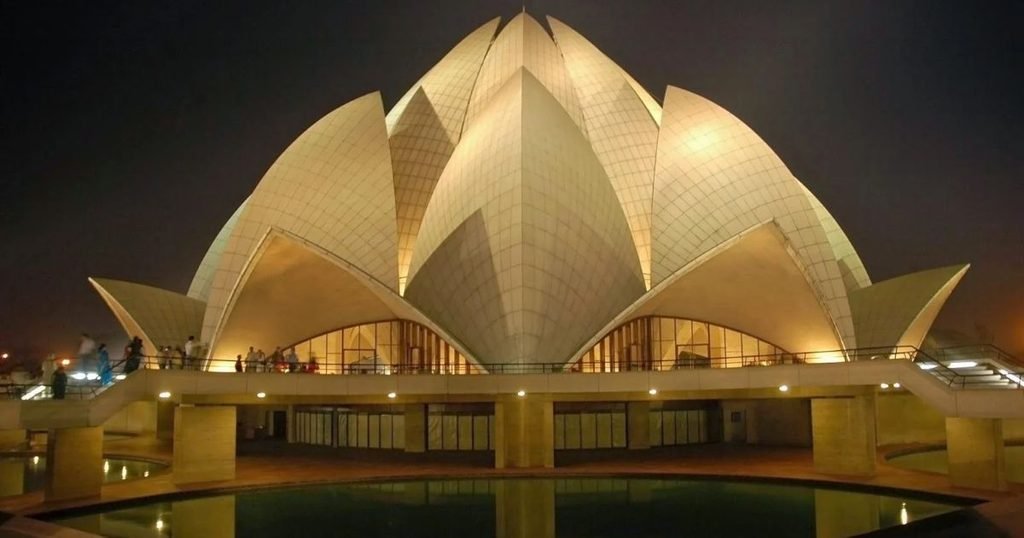
The Lotus Temple is one of Delhi’s most recognizable modern landmarks. It belongs to the Bahá’í Faith, which teaches the unity of humanity and the importance of religious harmony. The temple opened to the public in 1986 and welcomed visitors from different backgrounds. Its design reflects these values through an open, welcoming space rather than traditional religious imagery.
The Temple history also reflects India’s growing interest in modern architecture during the late twentieth century. Architect Fariborz Sahba designed the building around the lotus flower, a symbol familiar across several cultures. Instead of focusing on one religious tradition, the structure encourages quiet reflection and shared spiritual experiences. This approach has helped make it a notable destination for both tourists and architecture enthusiasts.
When planning your visit, allow time to appreciate the building’s exterior before entering the prayer hall. Many travelers focus on photographs and overlook the meaning behind its design. Read the information boards available on-site to understand its background more clearly. Remember that the temple serves as a place of worship, so keep conversations quiet and respect other visitors seeking a peaceful moment.
The Lotus Temple as a symbol of peace, purity and unity
The Temple represents peace, purity and unity through its lotus-inspired design and welcoming atmosphere. Its white marble petals create a sense of calm while reflecting the beauty of nature. As a Bahá’í House of Worship, it welcomes people from different religions and backgrounds. Its message is simple: people can share a peaceful space despite their different beliefs.
The lotus flower is often associated with purity because it grows in muddy water yet produces a clean, beautiful bloom. This symbolism gives the temple a meaning that many visitors can appreciate, even without knowing much about the Bahá’í Faith. Its open design also reflects the belief that humanity belongs to one community. Visitors can sit quietly, pray or reflect without following a specific religious ritual.
When you visit, take a moment to appreciate more than the building’s appearance. The central prayer hall offers a quiet setting for personal reflection, while the surrounding gardens provide space to pause. Keep your voice low and respect others who come for worship or meditation. These small gestures help preserve the peaceful atmosphere that makes the Temple such a meaningful place in Delhi.
The Central Prayer Hall
The central prayer hall is the heart of the Temple, offering visitors a quiet place for prayer, reflection and meditation. Its spacious interior and simple design create a peaceful atmosphere without distracting decorations or religious idols. The hall reflects the Bahá’í belief in the unity of humanity and welcomes people from different faiths. You don’t need to follow a particular religion to appreciate its calm setting.
Inside, the architecture draws attention to the building’s curved forms and natural light. The space encourages visitors to pause and enjoy a moment of silence away from Delhi’s busy streets. Unlike many traditional temples, the Temple doesn’t feature statues of deities or separate worship areas for different religions. Its simple interior supports a shared spiritual experience rather than focusing on one specific religious tradition.
If you plan to enter the prayer hall, remember that it is a place of worship rather than a regular tourist attraction. Keep your voice low, follow the instructions displayed by staff and avoid disturbing people who are praying. Photography may be restricted inside, so check the current rules before taking pictures. A few quiet minutes here can make your visit more meaningful than rushing through for photographs alone.
Awards and recognitions
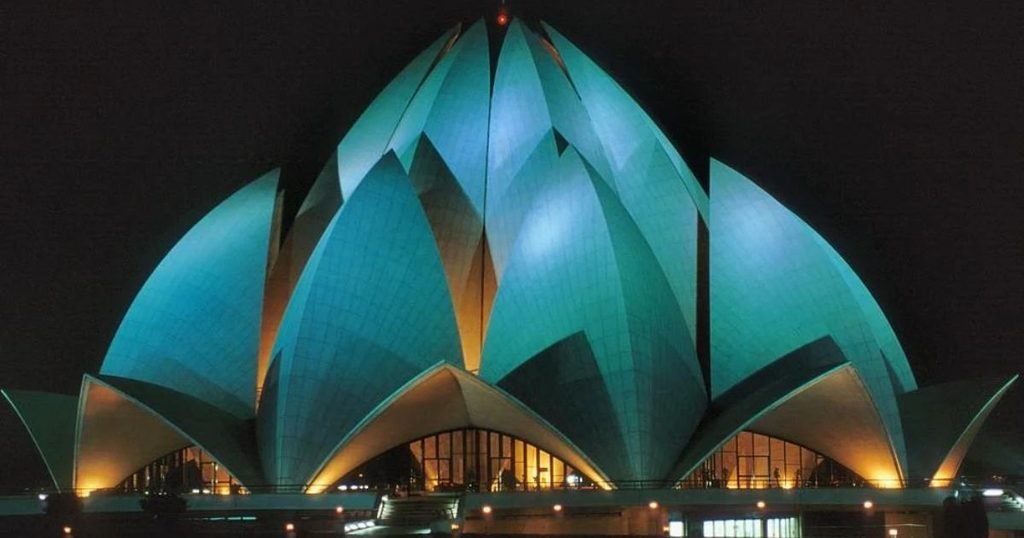
The Lotus Temple has earned international recognition for its distinctive architecture, structural engineering and message of religious harmony. Its awards highlight how Fariborz Sahba’s lotus-inspired design brought together artistic vision and complex construction techniques.
Since opening in 1986, the temple has received several honors from architectural and engineering organizations. These recognitions reflect different strengths, from its visual appeal to its innovative concrete structure and contribution to unity among communities.
| Award or recognition | Year | What it recognizes |
| First Honor Award, Interfaith Forum on Religious Art and Architecture | 1987 | Excellence in religious art and architecture. |
| Special Award, Institution of Structural Engineers, UK | 1987 | Outstanding structural engineering. |
| Paul Waterbury Outdoor Lighting Design Award, Special Citation | 1988 | The building’s exterior lighting design. |
| American Concrete Institute recognition | 1990 | The temple as one of the world’s finest concrete structures. |
| GlobArt Academy Award | 2000 | Promoting unity and harmony across nations, religions and social groups. |
| Architectural Society of China recognition | 2000 | Inclusion among 100 notable architectural works of the twentieth century. |
| UNESCO World Heritage Tentative List | 2014 | Recognition of its cultural and architectural significance as a proposed heritage site. |
Visitor statistics and impact on tourism
Visitor interest in the Temple shows how architecture and spiritual openness support Delhi tourism. The Ministry of Tourism’s survey listed it among the city’s visited destinations while India’s official tourism site says millions come each year. These figures come from different sources and periods so they should not be treated as a current annual visitor count for the temple.
For travelers, steady interest means the temple can be a popular stop on a Delhi itinerary especially during weekends and holiday periods. Visitor spending may also benefit nearby transport and small businesses although exact local effects are not easy to measure. Tip: visit on a weekday if your schedule allows and check opening hours before setting out for your visit.
Timings to visit the lotus temple
The Temple Delhi is generally open from Tuesday to Sunday and remains closed on Mondays. Visiting hours vary by season, so check the latest timings before planning your trip.
The temple welcomes visitors of all faiths for quiet reflection and prayer. Arriving earlier in the day may give you more time to enjoy the gardens and prayer hall without rushing.
| Visiting Option | Best Choice | Pros and Cons |
| Summer visit | Visit during the longer daylight hours | Pros: More time for sightseeing. Cons: Afternoon weather may be hot. |
| Winter visit | Plan around the shorter opening hours | Pros: Often more comfortable for walking. Cons: Less daylight for outdoor visits. |
| Early morning | Arrive near opening time | Pros: Leaves more time for other Delhi attractions. Cons: You may need to plan your transport early. |
| Late afternoon | Arrive well before closing | Pros: You can enjoy the gardens in softer light. Cons: Entry may be limited near closing time. |
| Weekend visit | Visit on Saturday or Sunday | Pros: Convenient for many travelers. Cons: Visitor numbers may be higher. |
| Monday visit | Choose another attraction instead | Pros: Helps you avoid a wasted journey. Cons: You will need to adjust your itinerary because the temple is closed. |
| Flexible itinerary | Check the official schedule on the day | Pros: Helps you plan around timing changes. Cons: Requires checking before you leave. |
Seasonal hours can change. Delhi Tourism lists the temple as open Tuesday to Sunday, with timings shown as 9:00 a.m. to 5:30 p.m.; other travel references list longer summer hours. Confirm the current schedule before visiting.
Events and special days celebrations
The Temple hosts a peaceful atmosphere for prayer, reflection and activities that promote unity among people of different faiths. Special gatherings may include prayer services, cultural programs and events focused on harmony and community life.
As a Bahá’í House of Worship, the temple welcomes people from all religious backgrounds. Its Information Centre also supports discussions about spiritual values and social progress. Special programs may vary, so check the official website before planning your visit around an event.
| Event or Visit Option | Best Choice | Pros and Cons |
| Daily prayer service | Attend a scheduled prayer service | Pros: Offers a quiet spiritual experience. Cons: The prayer hall may close temporarily during the service. |
| Bahá’í holy days | Check the calendar before visiting | Pros: Helps you understand the faith’s traditions. Cons: Opening arrangements may differ from normal days. |
| Unity-focused programs | Look for official announcements | Pros: May provide insight into the temple’s message of harmony. Cons: Events are not held for visitors every day. |
| Cultural activities | Check for public programs at the Information Centre | Pros: Offers a broader cultural perspective. Cons: Availability and schedules can vary. |
| Group visits | Arrange ahead if visiting with a large group | Pros: Helps with planning and coordination. Cons: Advance arrangements may be required for larger groups. |
| Quiet personal visit | Choose a regular opening day | Pros: Allows time for reflection and architecture. Cons: Crowds may affect access to the prayer hall. |
| Holiday visit | Confirm opening and visitor arrangements first | Pros: Lets you plan around a special date. Cons: Public holidays can bring more visitors or temporary restrictions. |
Effects of Pollution on the Structure
Air pollution has raised concerns about the Temple’s white marble exterior. Reports have linked traffic emissions, dust and industrial pollutants to visible discoloration on some surfaces. These substances can gradually affect marble and reduce its bright appearance. However, inspections have noted that the exact causes of discoloration require scientific assessment.
For visitors, pollution may be most noticeable as haze in the surrounding air or a less brilliant view of the temple’s exterior. Conservation and regular maintenance help protect this distinctive structure, but long-term care remains important. If you plan to take photographs, visit when daylight is clear and avoid touching the marble surfaces to help preserve the building.
Address and Contact Information
- Address: Lotus Temple Road, Bahapur, Kalkaji, New Delhi, Delhi 110019, India.
- Main Office Phone: +91 11 2644 4029 or +91 11 2644 4035.
- Office of Public Information: +91 11 2647 0526.
- Official Website: Bahá’í House of Worship.
- Official Facebook Page: Lotus Temple India.
Frequently Asked Questions
Where is the Lotus Temple located in Delhi?
The Temple is located in Bahapur, South Delhi, India. Use a navigation app to plan your route and check traffic before leaving.
What are the opening hours of the Temple?
The Lotus Temple generally opens Tuesday through Sunday and closes on Mondays. Check the official website for current seasonal timings before planning your visit.
Is there an entry fee for the Lotus Temple?
Entry to the Temple is generally free for visitors. Confirm current visitor information before travelling and allow extra time for security checks.
Which metro station is nearest to the Lotus Temple?
Kalkaji Mandir is the nearest metro station to the Temple. Check your metro route and local transport options before starting your journey.
What is the best time to visit the Temple?
The best time to visit the Temple is often on a weekday when visitor numbers may be lower. Arrive earlier in the day for a more relaxed visit.
Can people of all religions visit the Lotus Temple?
Yes, people of all religions and backgrounds can visit the Temple. Respect the quiet atmosphere and follow the posted instructions inside the prayer hall.
Why is the Temple shaped like a flower?
The Temple resembles a blooming lotus, a symbol associated with purity and spiritual growth. Take time to view its marble petals from different angles.
Is photography allowed inside the Lotus Temple?
Photography rules may differ between the temple grounds and the prayer hall. Check posted signs and ask staff before taking photographs inside any restricted area.
How much time should I spend at the Lotus Temple?
Most visitors can plan around one to two hours for the Temple and its gardens. Allow more time if you enjoy architecture or want a quieter visit.
What other attractions can I visit near the Temple?
Nearby attractions include Kalkaji Mandir and ISKCON Temple in South Delhi. Check travel times between sites and group nearby stops to reduce unnecessary journeys.
Conclusion
The Lotus Temple is one of Delhi’s most distinctive landmarks. Its flower-shaped design, peaceful prayer hall and welcoming atmosphere make it special for travelers. The temple also reflects ideas of unity, purity and respect for different beliefs. Its history, architectural details and environmental challenges offer more to learn beyond its striking appearance. From the gardens to the marble petals, every part adds meaning to the visitor experience. Understanding its background helps you appreciate this famous attraction more deeply.
Before visiting the lotus temple, check the latest opening hours and travel information. Plan enough time to enjoy the architecture, walk through the gardens and experience the calm surroundings. Respect the prayer hall rules and help keep the site clean for others. If you are planning a Delhi trip, consider adding the temple to your itinerary. Share this guide with your travel partner to help make your visit smoother and more enjoyable.


1 thought on “Lotus Temple, Delhi: History, Architecture, Location and Facts 2026”